
6 Steps to Get Your Contractor’s License as an HVAC Pro
Getting the right qualifications is an important step for anyone who wants to work professionally in heating and cooling services. Many technicians dream…
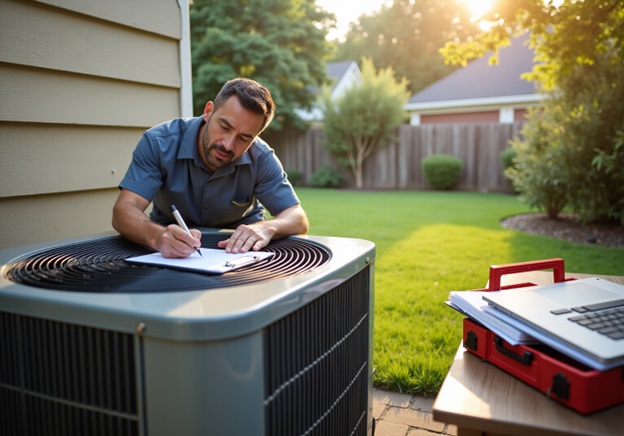
Getting the right qualifications is an important step for anyone who wants to work professionally in heating and cooling services. Many technicians dream of running their own business or working independently, but doing so requires meeting legal requirements first. One of the most important steps is obtaining an hvac contractor license, which allows professionals to legally install, repair, and maintain heating, ventilation, and air conditioning systems. While the process may seem complicated at first, it becomes much easier when you understand each step clearly. With the right preparation, HVAC contractor license training, and knowledge of state rules, you can move forward with confidence and build a stable career in the HVAC industry.
Understanding HVAC Contractor License Requirements
Know the Types of HVAC Licenses
Before applying for a license, it is important to understand that there are different types of HVAC licenses. Each license level usually depends on your experience and the type of work you plan to perform.
Journeyman HVAC Technician
This license is often the first level after completing training. To qualify, technicians usually need several years of work experience under a licensed contractor. This allows them to gain hands-on knowledge of installing and repairing heating and cooling systems.
Master HVAC Contractor
A master license is usually required for professionals who want to run their own HVAC business. This level shows that the contractor has strong knowledge of HVAC systems, safety rules, and building codes.
Specialty HVAC Licenses
Some states offer licenses that focus on specific areas such as refrigeration, air conditioning installation, or heating systems. These licenses allow technicians to specialize in certain types of work.
Each state has its own rules, so checking your state licensing board website is the best way to understand the exact requirements.
Check State Requirements and Costs
The process of getting licensed can vary widely depending on where you live. Some states require several years of work experience, while others focus more on training programs and exams.
Common requirements may include:
- Proof of HVAC training or apprenticeship
- Work experience under a licensed contractor
- Passing a licensing exam
- Paying licensing fees
- Submitting an application to the state board
The total cost for licensing may range from a few hundred to a few thousand dollars depending on the state, exam fees, and training costs. Planning your budget early can make the process smoother.
Steps to Successfully Get Your HVAC Contractor License
Complete HVAC Training Programs
Training is the foundation of a successful HVAC career. Many technicians begin by enrolling in technical schools, community colleges, or trade programs that teach the basics of heating, ventilation, and air conditioning systems.
These programs usually cover topics such as:
- HVAC system design and operation
- Installation techniques
- Electrical systems and controls
- Safety practices
- Local building codes
Training programs can take anywhere from several months to two years depending on the course structure. During this time, students also gain practical skills that prepare them for real work environments.
Prepare for the HVAC Licensing Exam
Passing the licensing exam is one of the most important steps toward becoming a contractor. These exams test your understanding of HVAC systems, safety procedures, and building regulations.
Here are some simple ways to prepare effectively:
Use Study Guides and Practice Tests
Many exam boards provide study materials that explain the topics covered in the test. Practice exams can help you become familiar with the question format and improve your confidence.
Create a Study Schedule
Setting aside regular time for studying helps you review important topics without feeling rushed before the exam date.
Focus on Key Topics
Most HVAC exams include questions about system installation, maintenance procedures, electrical components, and safety codes.
Good preparation not only increases your chances of passing but also strengthens your knowledge as a technician.
Apply for the License and Submit Documents
After completing training and passing the exam, the next step is to submit your application for licensing. This usually involves sending documents to your state licensing board.
You may need to provide:
- Proof of completed HVAC training
- Exam results
- Work experience records
- Identification documents
- Application fees
It is important to carefully review the application instructions so that all documents are complete and accurate.
Secure Required Bonds or Insurance
Some states require HVAC contractors to obtain a surety bond or insurance before receiving their license. This financial protection helps protect customers if a contractor fails to meet project obligations.
The bond amount depends on state regulations, and the cost is usually a small percentage of the total coverage amount. Having proper insurance and bonding also helps build trust with clients and shows that you operate professionally.
Finalize Registration and Maintain Your License
Once your application is approved, you will receive your contractor license. However, the process does not end there. Most states require contractors to renew their licenses regularly and sometimes complete continuing education courses.
Keeping your license active may involve:
- Renewing it every one to three years
- Completing safety or technical training
- Updating insurance or bonding documents
Maintaining your license ensures that you remain compliant with industry regulations and continue providing services legally.
Conclusion
Becoming a licensed HVAC contractor is an important milestone for anyone who wants to grow in the heating and cooling industry. While the process may take time, each step—from training and exam preparation to licensing and registration—helps build the knowledge and experience needed to succeed.
With proper planning, dedication, and the right resources, earning your HVAC contractor license becomes a manageable goal. Once licensed, you gain the ability to work independently, start your own HVAC business, and build a long-term career in a field that continues to grow and remain in demand.